




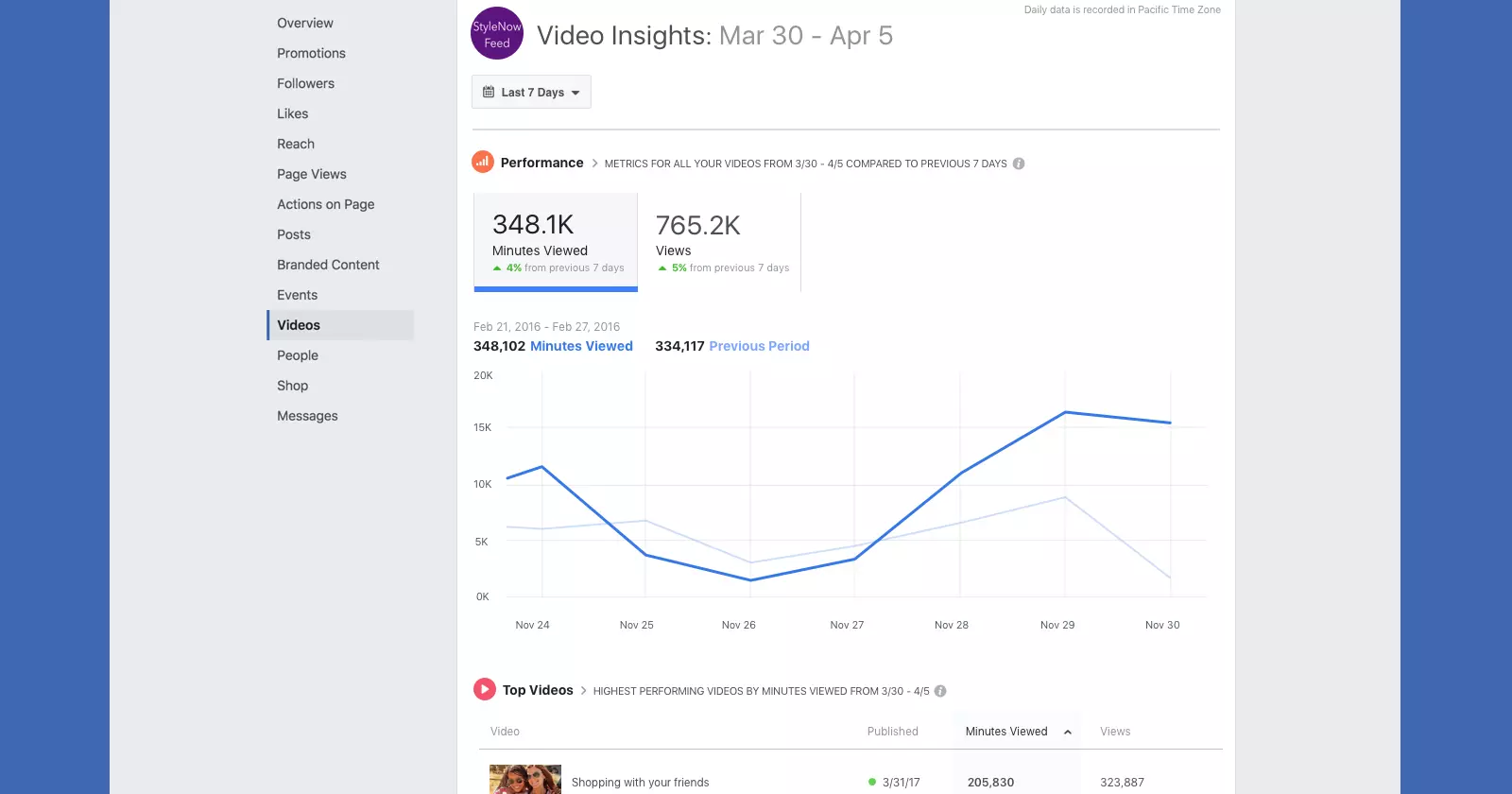
A Facebook video can achieve tens of thousands of views but may not necessarily generate engagement, leads, or sales. That is why understanding and analyzing Facebook video metrics has become a critical skill for businesses, content creators, and Facebook Ads managers. Rather than focusing solely on view counts, you need to know how to interpret metrics such as Reach, Impressions, Watch Time, Audience Retention, CTR, and engagement levels to evaluate a video’s true effectiveness. In this article, Adsupport will join you in exploring the meaning of each metric within Facebook Video Insights and Meta Business Suite, how to analyze data to optimize content, and discovering tips to improve video performance under Meta’s 2026 algorithms.
A comprehensive roundup of Facebook video metrics for beginners
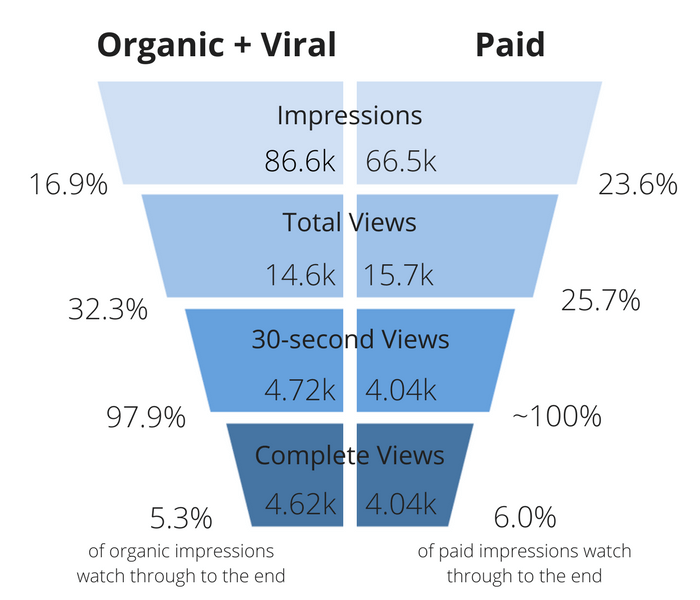
Posting a video on Facebook is only the first step; what matters more is understanding Facebook Video Insights to know how well your content is performing. Through Meta’s analytics ecosystem, you can track various metrics such as views, reach, watch time, audience retention rates, and engagement levels. This data helps businesses, content creators, and marketers evaluate video performance, optimize content strategies, and improve organic reach. Each metric in Facebook Video Insights reflects a different facet of video performance. Rather than looking strictly at view counts, you should combine multiple metrics to gain a comprehensive view of viewer interest and video conversion capability.
Facebook Video Insights is a video performance analytics tool integrated into Meta Business Suite and Facebook Professional Dashboard. This tool provides data on how users view, interact with, and respond to videos on Fanpages or eligible accounts. Through Video Insights, you can identify which videos are attracting high viewership, the exact points where viewers drop off, and which content yields the highest engagement or conversions.
Video Views
Video Views is the fundamental metric indicating how many times a video has been played on Facebook. This metric helps you evaluate a video’s initial reach; however, it does not reflect overall content quality, as a view does not imply that a user watched the video to completion. It is a suitable metric for tracking a video’s initial distribution efficiency.
Reach
Reach indicates the number of unique Facebook accounts that saw your video at least once. Reach answers the question: How many people were reached by the video? If Reach is high but views or engagement remain low, the content may lack sufficient hook appeal to retain viewers.
Impressions
Impressions represent the total number of times a video was displayed on Facebook, including instances where the same user saw the video multiple times. The distinction between Reach and Impressions is:
- Reach counts unique individuals.
- Impressions count total display occurrences.
Together, these two metrics help evaluate video distribution frequency across News Feeds, Reels, or other placements.
Watch Time
Watch Time is the total cumulative duration users spent watching your video. This is one of the most critical metrics because it reflects content engagement. The higher the Watch Time, the stronger the signal sent to Facebook that the video retains viewers well, prompting further distribution to broader audiences.
Average Watch Time
Average Watch Time indicates how long the average viewer watched the video. This metric helps evaluate:
- Whether the video retains viewers.
- The exact timestamp where viewers abandon the video.
- Whether the video length is appropriate.
If the Average Watch Time is exceptionally low, you should re-evaluate your opening hook or content structure.
Audience Retention
Audience Retention displays the percentage of viewers who remain engaged at every point throughout the video. This retention graph is highly useful for determining:
- Whether the opening seconds are engaging.
- At which minute viewers abandon the video.
- What content keeps viewers watching.
Improving Audience Retention generally enhances overall video distribution.
3-Second views and longer-duration views
Facebook provides multiple view milestones to reflect varying levels of user interest. Common milestones include:
- Initial short views.
- Longer-duration views.
- Completed video views.
Comparing these milestones reveals how many individuals actually continue watching after the first few seconds.
Completed views
Completed Views indicates the number of people who watched the video to its very end. This is a crucial metric for short-form videos, promotional ads, or tutorials, as it reflects the ability to deliver a message in its entirety. High completion counts send positive signals to Meta’s algorithms.
Completion rate
Completion Rate is the percentage of viewers who watched the entire video relative to total views. This metric helps assess:
- Appropriateness of video length.
- Whether content maintains viewer attention.
- Whether the video concludes at the right moment.
This serves as a key KPI when optimizing Facebook Reels or video ads.
Facebook video engagement metrics
Beyond views, Facebook tracks user interactions with video content.
Likes, comments, and shares
These three metrics reflect content resonance and virality.
- Likes reflect quick reactions.
- Comments foster conversation.
- Shares expand video reach to new audiences.
Videos with high share counts stand a better chance of boosting organic reach.
Video saves
Saves indicate that users wish to rewatch the video in the future. This is a strong positive signal for tutorials, knowledge-sharing content, or checklists.
Link clicks or CTAs
If a video includes an action button or link, Facebook records the number of user clicks on the Call to Action (CTA). This metric is vital for lead generation or sales objectives.
Facebook Reels metrics
Reels feature specific dedicated metrics including:
- Plays.
- Replays.
- Reels Shares.
- New Followers from Reels.
This data evaluates short-form video performance on Facebook.
Facebook video click-through rate (CTR)
CTR measures the percentage of users who clicked on a link or CTA after watching a video. A high CTR typically indicates:
- An engaging thumbnail.
- Clear headline messaging.
- Content closely aligned with the target audience.
This metric is particularly critical for Facebook video advertisements.
Negative feedback metrics
Facebook also records negative user reactions, including:
- Hiding posts.
- Content reporting.
- Unfollowing.
- Blocking Fanpages.
If these metrics rise, businesses should re-assess their content style or posting frequency.
Why videos get tens of thousands of views but still fail to deliver results
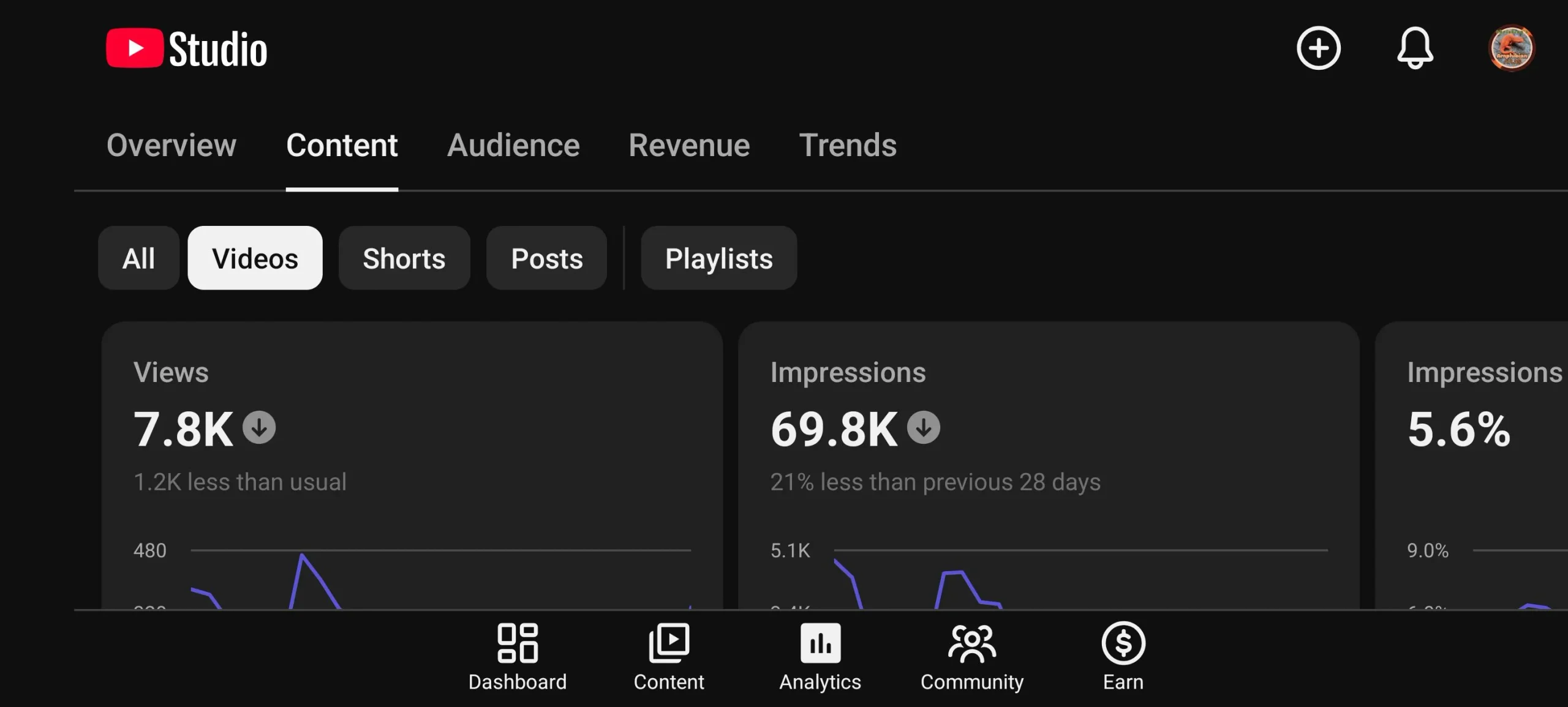
In practice, Meta’s algorithm evaluates videos based on a composite of metrics including watch time, audience retention rates, engagement, and post-view actions. Therefore, to determine whether a video is truly successful, you must analyze deeper data rather than relying solely on view counts.
High view counts do not guarantee reaching the right target audience
A video may be distributed broadly by Facebook, but if most viewers do not belong to your target buyer persona, conversion efficiency will remain low. For example, a B2B software vendor might receive tens of thousands of views from general users, but very few hold actual product interest. What matters is not merely how many people watch, but who is watching your video.
Facebook calculates views according to multiple criteria
Not all views hold equal value. Facebook registers a view when a user watches a video for even a brief duration on the News Feed or Reels. Consequently, large view counts do not guarantee that users watched the full message or engaged with the content. This is why you must combine multiple metrics instead of assessing Views in isolation.
Viewers abandon the video too early
A primary cause of underperforming videos is low audience retention. If most users drop off after the first few seconds, Facebook reduces future distribution scope. The first three seconds determine whether users continue watching or scroll past. You should:
- Place the main benefit or core problem at the very start.
- Hook viewers with compelling visuals or opening statements.
- Avoid overly long intros featuring logos or company introductions.
A strong opening hook increases overall watch time and improves video performance.
Low watch time diminishes the value of views
Watch Time reflects the cumulative duration users spend watching a video. Consider two videos each receiving 20,000 views:
- Video A: Average watch duration of 5 seconds.
- Video B: Average watch duration of 40 seconds.
Video B delivers far greater value because viewers spend significantly more time absorbing the message.
Low audience retention signals unengaging content
Audience Retention reveals how long viewers remain engaged throughout the video timeline. If the retention graph drops sharply at the beginning or middle, it indicates:
- Wandering narrative.
- Slow pacing.
- Lack of highlights or visual anchors.
- Delayed message delivery.
This is a vital metric when optimizing Facebook videos.
High views without driving engagement
Likes, comments, shares, and saves signal genuine audience interest. A video with high views but sparse comments or shares rarely generates natural viral momentum. To boost engagement:
- Ask a question at the end of the video.
- Encourage viewers to share their experiences.
- Invite audience opinions in the comments section.
Viral content unrelated to the product or brand
This is a frequent pitfall for many Fanpages. A video may be highly humorous or trend-driven, thereby attracting high view counts, yet viewers fail to recall the brand or understand the business offering. Content can be entertaining or helpful, but it must retain an underlying alignment with brand marketing goals.
Missing Call to Action (CTA)
Even if viewers watch a video to completion, they may leave if left without clear next steps. An explicit CTA can prompt viewers to:
- Visit a website.
- Message the Fanpage.
- Register for resources.
- Follow the Fanpage.
- Leave a comment.
CTAs help convert passive views into concrete actions.
Unoptimized for Facebook Reels and News Feed
Facebook prioritizes content tailored to mobile viewing habits. An effective video should:
- Include open or closed captions.
- Remain clear even when muted.
- Use aspect ratios optimized for Reels or News Feed.
- Deliver concise, direct messaging.
This enhances readability and viewing experience for mobile users.
Unoptimized thumbnails and video headlines
Thumbnails and description lines heavily influence click decisions. A strong thumbnail should:
- Be sharp and clear.
- Feature concise headline text.
- Represent the core message.
- Align with brand identity.
Headlines should focus directly on benefits or specific pain points relevant to the audience.
Understanding the key metrics in Facebook Video Insights allows you to evaluate actual video performance rather than relying strictly on view counts. Metrics such as Reach, Impressions, Watch Time, Average Watch Time, Audience Retention, Completion Rate, CTR, and engagement levels each reflect different dimensions of content performance. By combining and analyzing these data points within Meta Business Suite, businesses can optimize their Facebook video strategies, improve viewer retention, increase engagement, and drive stronger conversion outcomes in 2026.
Contact Info
Information about “Facebook video metrics” hopes to provide you with additional necessary knowledge. At Adsupport, there is a team of highly qualified and experienced staff and experts who will provide rent facebook agency ad account as well as support when you run Facebook ads. Contact us via phone number.
Frequently Asked Questions (FAQ)
No single metric fits every business goal. If the objective is brand awareness, track Reach and Video Views. If the goal is community engagement, focus on Watch Time, Audience Retention, comments, shares, and saves. For sales and conversion goals, link click counts, messages, and direct conversion metrics carry greater weight.
This typically occurs when a video reaches an off-target audience, suffers from short watch durations, experiences low audience retention, or lacks a clear Call to Action (CTA). To improve performance, analyze Facebook Video Insights, optimize content within the opening seconds, and refine the video according to user viewing behavior on Facebook.


