




Facebook is no longer just a platform for B2C marketing campaigns, but has become an effective channel for B2B businesses to build brands, reach potential customers, and generate new business opportunities. With Fanpages, Facebook Groups, Facebook Live, Reels, and Meta’s advertising system, businesses can connect with decision-makers, share professional knowledge, and nurture prospects throughout the buyer’s journey.
However, B2B marketing on Facebook requires a different strategy than direct sales. Instead of merely promoting products, businesses need to focus on value-driven content, establishing credibility, and building long-term relationships with customers. In this article, you will learn how to use Facebook for B2B marketing effectively following Meta 2026 trends, from building Fanpages and developing content to attracting and converting corporate clients. Let’s find out with Adsupport!
What is an Online B2B Marketing strategy?
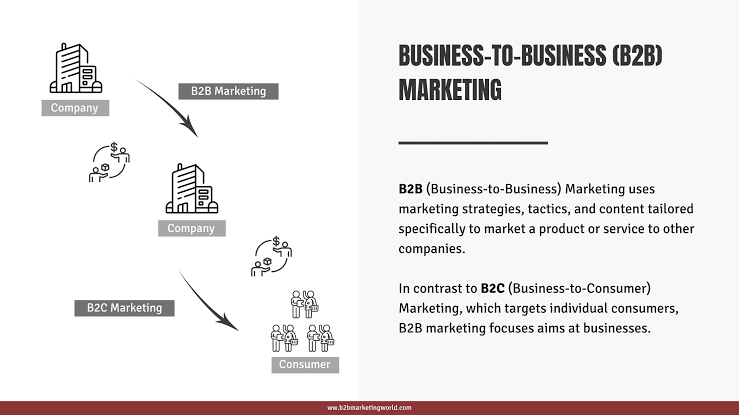
In the modern business environment, corporate clients no longer seek partners solely through face-to-face meetings or trade fairs. They proactively research information on the internet, compare multiple suppliers, and evaluate corporate credibility before making partnership decisions. Therefore, an online B2B marketing strategy has become an essential foundation helping businesses reach the right customers, build brand equity, and generate quality leads. Unlike B2C marketing—where purchasing decisions often happen quickly and are heavily influenced by emotion—online B2B marketing focuses on building trust, providing expert information, and nurturing prospects throughout the decision-making process. An effective strategy not only helps increase brand awareness but also contributes to generating sustainable revenue.
Online B2B Marketing (Business-to-Business Marketing Online) refers to the marketing of products or services from business to business through online channels such as websites, Facebook, LinkedIn, Google, email marketing, webinars, SEO, and digital advertising. The goal of online B2B marketing is not merely selling products, but building long-term relationships with business clients. Businesses need to provide in-depth content, demonstrate capacity, and establish trustworthiness before clients make a partnership decision.
Why do businesses need to build an online B2B marketing strategy?
The purchasing process in B2B is usually longer than in B2C and involves multiple decision-makers. Clients will research information, evaluate suppliers, compare solutions, and weigh budgets before selecting a partner. An online marketing strategy helps businesses appear right when clients are searching for solutions while maintaining a presence throughout the consideration phase. This contributes to increasing lead generation opportunities and shortening conversion times.
Objectives of an online B2B marketing strategy
An online B2B marketing strategy typically aims at various goals depending on the business’s development stage. Common objectives include:
- Increasing brand awareness within the industry.
- Attracting potential customers (Lead Generation).
- Establishing professional credibility.
- Nurturing prospects during the decision-making process.
- Increasing conversion rates and revenue.
Defining objectives from the beginning helps businesses select appropriate marketing channels and content.
How to use Facebook for B2B marketing
In B2B marketing, clients often require significant time to research information, compare solutions, and build trust before making decisions. Therefore, simply publishing ad posts or service introductions on Facebook is usually insufficient to generate quality leads. Instead, businesses can combine Facebook Live, webinars, and online events to create valuable touchpoints throughout the buyer’s journey. When deployed correctly, Facebook Live helps capture attention and drive real-time interaction, webinars support sharing in-depth knowledge, and online events help businesses connect with many prospective clients within a single program. This is a model applied by many B2B enterprises to establish authority, gather leads, and drive conversions.
Developing topics suitable for corporate clients
The success of a Facebook Live or webinar depends heavily on the topic. Select issues that business clients care about, such as:
- Cost optimization solutions.
- New marketing trends.
- Digital transformation.
- Sales efficiency enhancement.
- Corporate management.
A topic that addresses exact needs will attract more registrants and attendees.
Planning pre-event communications
Do not wait until the event day to start promoting. Build a pre-event communication plan using posts, short videos, Stories, Reels, or countdown posts. You can also create a content series introducing speakers, participation benefits, and topics to be shared to boost interest levels.
Creating Facebook events to attract registrants
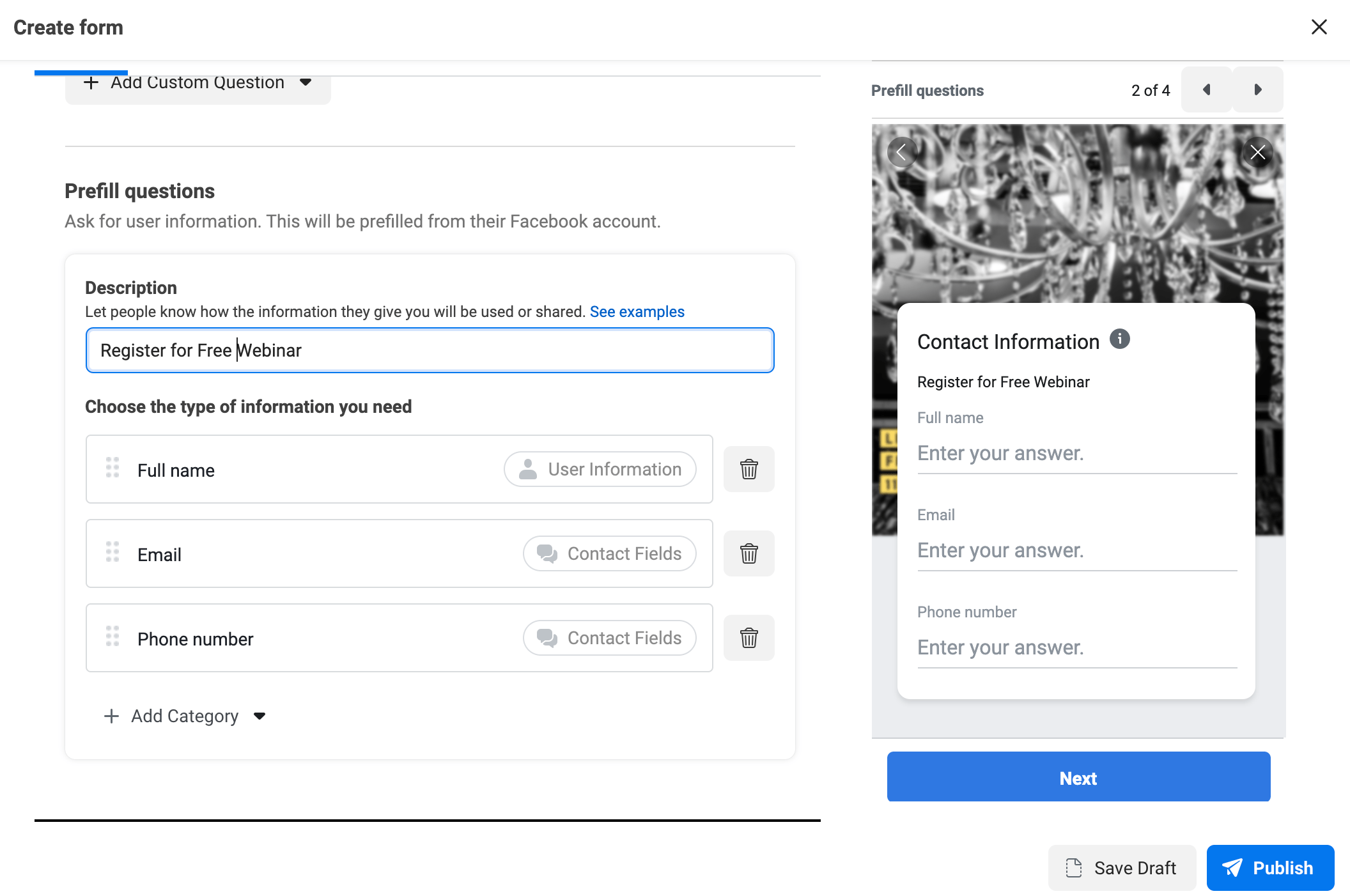
Facebook Events help businesses manage interested attendees and send notifications when the program is about to start. Fill in full details:
- Event title.
- Time.
- Topic.
- Speakers.
- Target audience.
- Attendance benefits.
Clear information helps increase registration rates and reduce drop-out rates.
Combining Facebook live to promote webinars
Facebook Live can serve as an introductory step for webinars. You can host a short livestream to introduce the topic, share a portion of the knowledge, and invite viewers to register for the full webinar. This approach helps boost interested audiences without relying solely on ads.
Encouraging interaction during livestreams and webinars
An effective B2B program should not consist only of a presenter speaking continuously. Create opportunities for viewers to:
- Ask questions.
- Comment.
- Participate in polls.
- Answer quick quizzes.
- Share problems their businesses are facing.
These activities help increase watch times and generate data regarding customer needs.
Gathering leads post-event
After the livestream or webinar concludes, continue nurturing attendees. You can send documents, video recordings, presentation slides, or supplementary content to maintain connections with prospects. This is a critical step in turning attendees into qualified leads within a B2B strategy.
Repurposing content from Facebook live and webinars
A single webinar can be broken down into various content assets, such as:
- Short videos for Facebook Reels.
- Summary articles.
- Infographics.
- Knowledge-sharing post series.
- Q&A videos.
Content repurposing helps businesses extend the value of a single program and reach more customers.
Combining Facebook ads to expand reach
To increase registrations for webinars or online events, businesses can use Facebook Ads to promote programs to the exact target audience. Select audiences based on industry, job titles, interests, or existing customer data to improve lead quality.
Combining Facebook Live, webinars, and online events in B2B marketing helps businesses not only promote brand equity but also establish authority, generate leads, and maintain long-term customer relationships. When Facebook Live is used to capture attention, webinars deliver in-depth expertise, and online events create networking environments, businesses gain a more comprehensive and effective B2B marketing strategy across the Meta ecosystem.
Contact Info
Information about “How to use Facebook for B2B marketing” hopes to provide you with additional necessary knowledge. At Adsupport, there is a team of highly qualified and experienced staff and experts who will provide facebook rental as well as support when you run Facebook ads. Contact us via phone number.
Frequently Asked Questions (FAQ)
Yes. Facebook remains an effective channel for B2B enterprises to reach prospective clients, build brand equity, and generate leads through expert content, Facebook Groups, Facebook Live, and Meta advertising. Effectiveness depends on targeting the right audience and developing a suitable content strategy.
B2B businesses should prioritize expert-led content such as knowledge sharing, case studies, industry trends, guides, webinars, Q&A livestreams, and customer success stories. These content types help boost credibility and establish trust before clients make partnership decisions.


